I. Before
Monitor weather reports
Track flood warnings and updates from PAGASA and NDRRMC.
Create a flood emergency kit
Include vital documents, medications, and supplies.
Sandbag vulnerable areas
Protect your home from floodwaters.
Charge devices
Charge phones, laptops, and power banks.
Evacuate early
Follow evacuation orders from authorities.
Stay informed
Register for emergency alerts from NDRRMC and local governments.
Review insurance
Ensure coverage for flood damage.
II. During
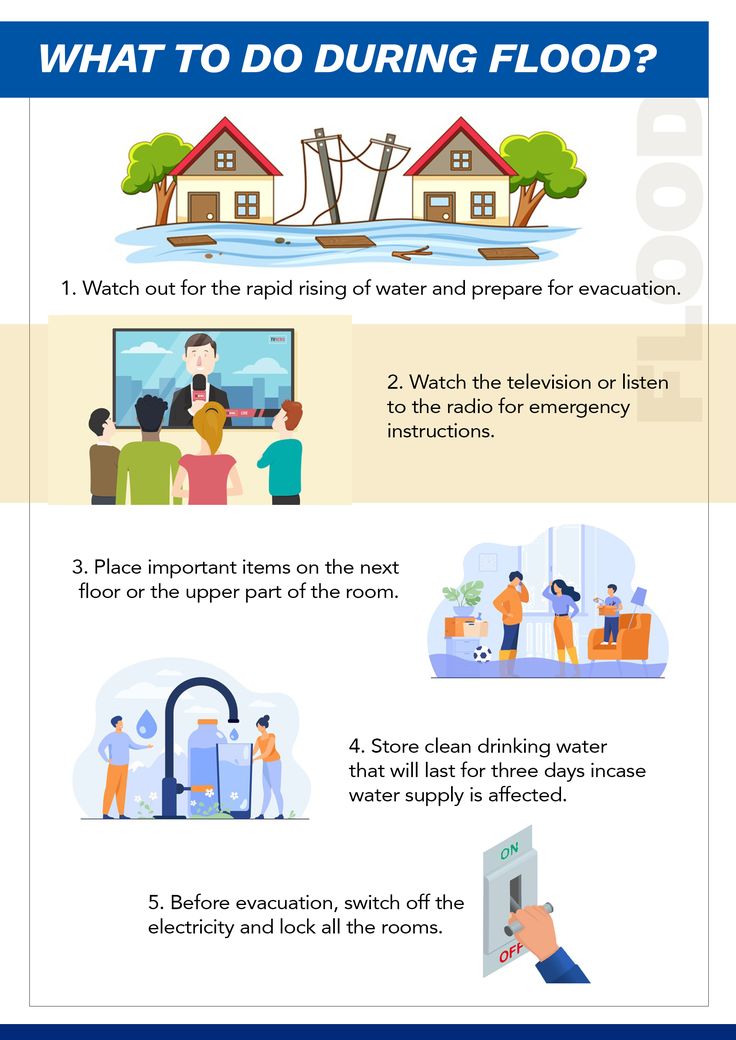
Move to higher ground
Seek upper floors or higher elevation.
Avoid walking through floodwaters
Waters may be contaminated or hiding hazards.
Disconnect electrical appliances
Prevent electrical shock.
Stay tuned
Monitor local news, emergency alerts, and radio broadcasts.
Stay indoors
Avoid traveling.
Avoid driving
Refrain from driving during heavy rain and flooding.
Stay calm
Follow instructions from authorities.
III. After
Wait for clearance
Return home only when authorities declare it safe.
Assess damage
Document property damage for insurance purposes.
Avoid hazards
Beware of fallen power lines, sharp debris, contaminated water, and wildlife.
Use flashlights
Avoid candles or open flames.
Check food and water safety
Discard spoiled food and contaminated water.
Contact loved ones
Inform family and friends of your safety.
Seek shelter
If your home is uninhabitable, seek shelter elsewhere.
I. Before
Monitor tsunami warnings
Track updates from PAGASA and NDRRMC.
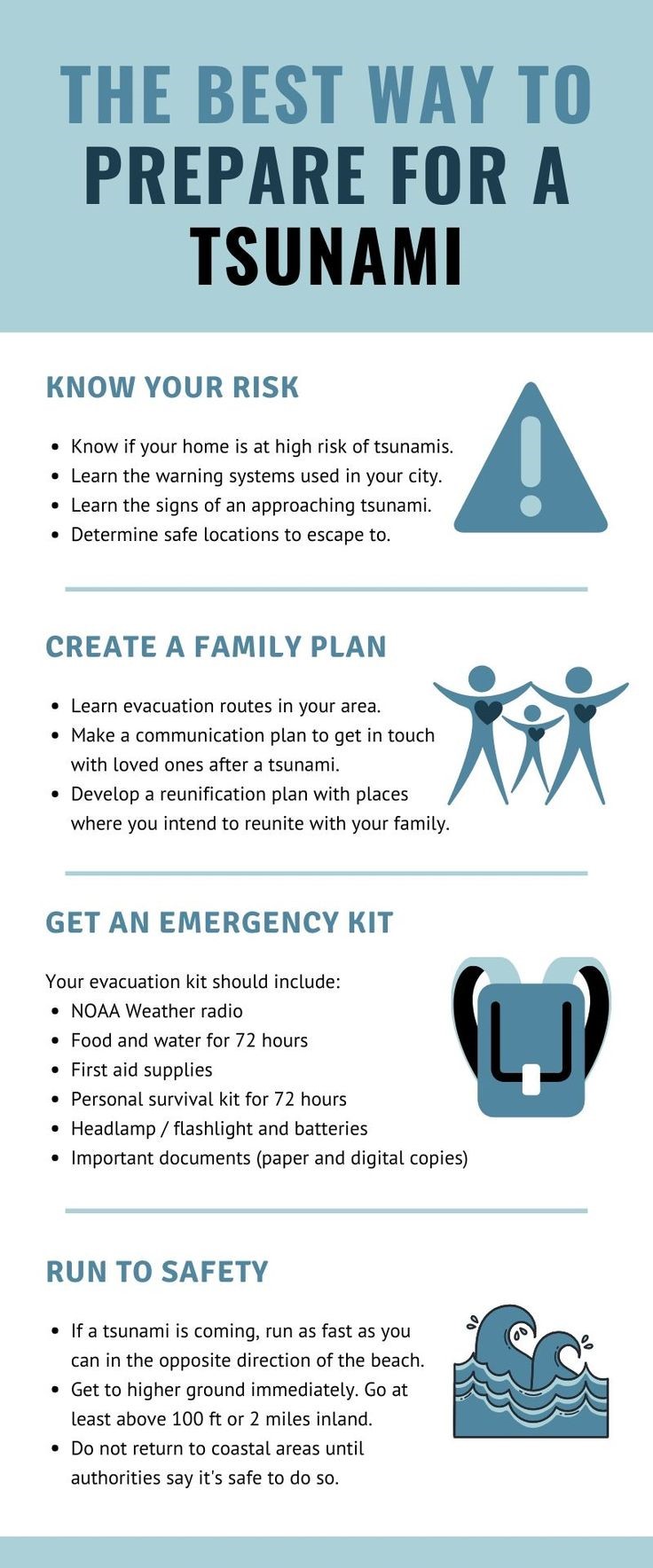
Know evacuation routes
Familiarize yourself with tsunami evacuation routes and assembly points.
Create a family plan
Establish communication, meeting points, and evacuation procedures.
Practice drills
Conduct regular tsunami drills with household members.
Secure your home
Trim trees, secure outdoor items, and board up windows.
Prepare emergency kits
Include vital documents, medications, and supplies.
II. During
Seek immediate higher ground
Move to areas 100 feet above sea level or higher.
Stay away from coastal areas
Tsunami waves can travel far inland.
Do not try to watch
Get to safety immediately.
Follow evacuation routes
Use designated routes to higher ground.
Stay calm
Help others and follow instructions.
Avoid buildings
Move away from buildings, bridges, and power lines.
Stay away from rivers
Tsunami waves can travel upstream.
III. After
Wait for official clearance
Return to affected areas only when authorities declare it safe.
Be cautious
Avoid fallen power lines, sharp debris, contaminated water, and wildlife.
Document damage
For insurance purposes.
Seek medical attention
If injured.
Follow instructions
Pay attention to guidance from authorities.
Check food and water safety
Discard spoiled food and contaminated water.
Contact loved ones
Inform family and friends of your safety.
I. Before
Monitor weather reports
Track storm updates and surge warnings from PAGASA and NDRRMC.
Evacuate early
Follow evacuation orders from authorities, taking essential documents and supplies.
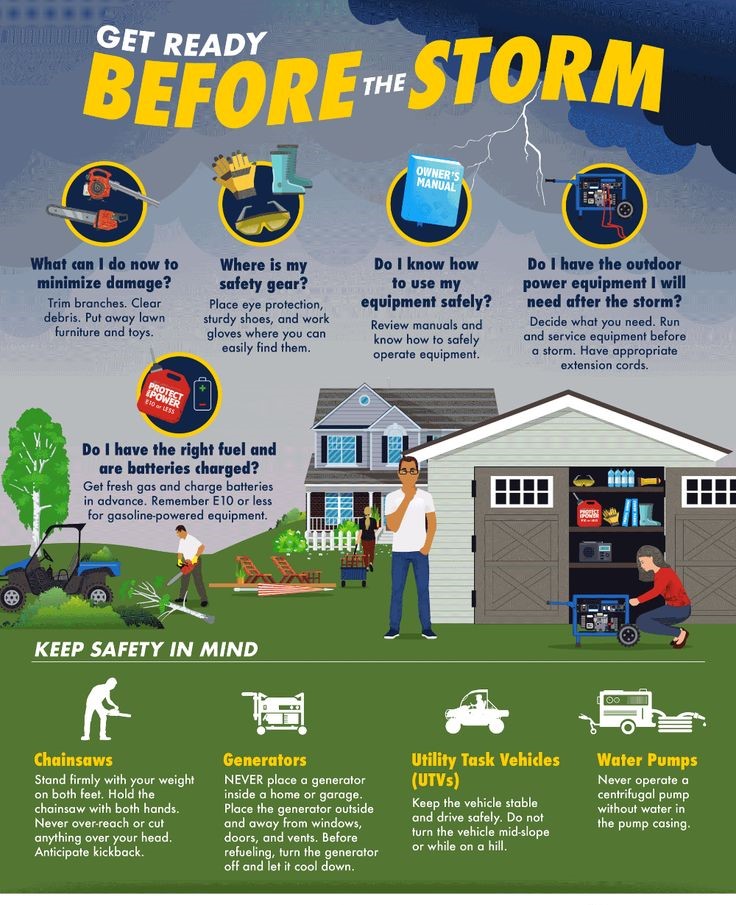
Secure your home
Board up windows, trim trees, and bring outdoor items inside.
Charge devices
Charge phones, laptops, and power banks.
Pack essentials
Gather vital documents, medications, emergency supplies, and non-perishable food.
Stay informed
Register for emergency alerts from NDRRMC and local governments.
Review insurance
Ensure coverage for storm damage.
II. During
Move to higher ground
Seek upper floors or higher elevation.
Keep phone lines open
Limit non-essential calls.
Disconnect electrical appliances
Prevent damage from power surges.
Stay tuned
Monitor local news, emergency alerts, and radio broadcasts.
Stay indoors
Avoid traveling and stay away from windows, doors, and exterior walls.
Avoid driving
Refrain from driving during heavy rain and strong winds.
Stay calm
Follow instructions from authorities.
III. After
After the Storm
Wait for clearance. Return home only when authorities declare it safe.
Assess Damage
Document property damage for insurance purposes.
Avoid Hazards
Beware of fallen power lines, sharp debris, contaminated water and wildlife.
Use Flashlights
Avoid candles or open flames.
Check Food and Water Safety
Discard spoiled food and contaminated water.
Contact Loved Ones
Inform family and friends of your safety.
Seek Medical Attention
If injured, seek help immediately.